
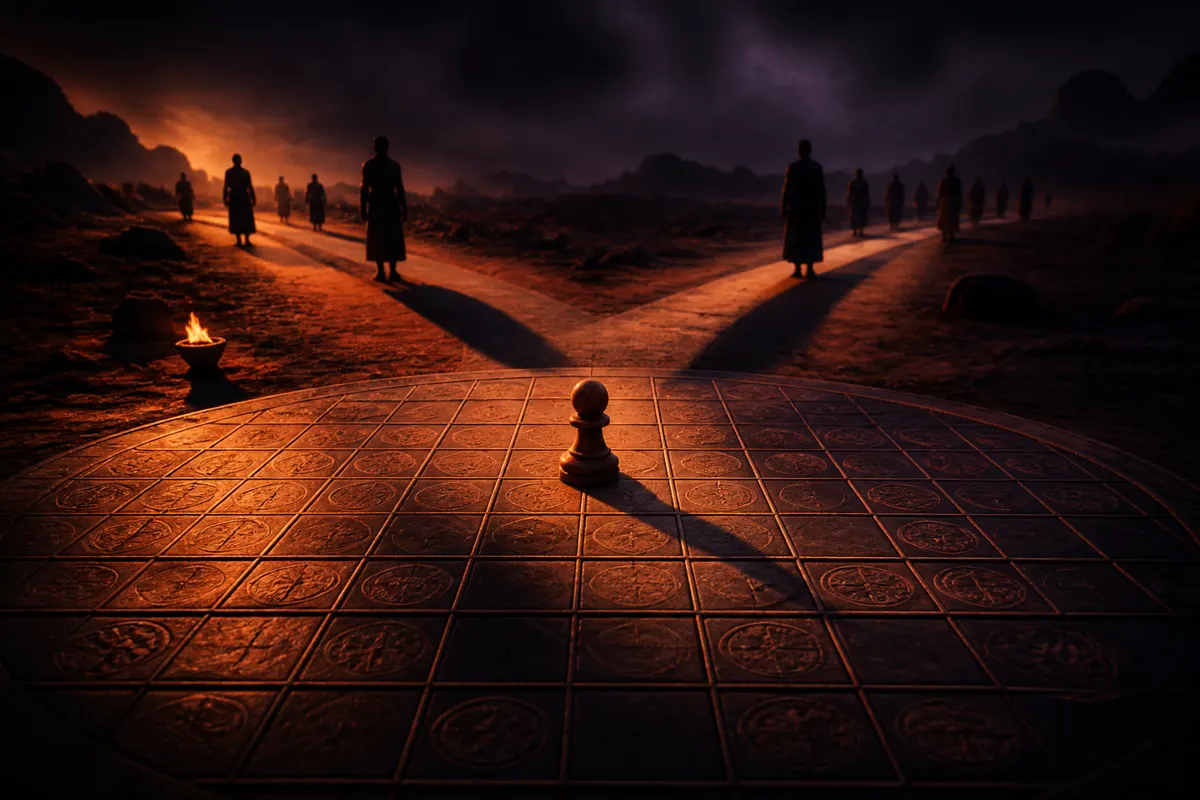
Source, power, perspective and silence—four practical lenses for reading history.
AT A GLANCE
01Make the author visible02Test sources with other sources03Silence is evidence too
“The aim is not to memorise an answer, but to learn how to see the question more clearly.”
Make the author visible
Every historical account is written from a particular time, institution and purpose. Locating the author does not dismiss the account; it clarifies the limits of what they could see.
Test sources with other sources
Look for a claim across different kinds of evidence. Contemporary records, later memoir and material evidence may each reveal a different part of the same question.
Silence is evidence too
Who could not speak, which documents were never created and what was destroyed? These absences help us understand the structure of power.
READ FURTHER
More doors into this question
Books, essays and conversations that can carry the question further.
OPENAmerican Historical Association — Why Study History?↗