BoiThek · History · State
Delhi Sultanate beyond the story of conquest
A layered reading of war, administration, taxation, court politics and regional resistance.
The question behind the episode
A layered reading of war, administration, taxation, court politics and regional resistance. The article begins by slowing the question down. Instead of treating the episode title as a verdict, it asks what historical assumptions and social structures have made that question possible.
Premasis Mukherjee treats Delhi Sultanate beyond the story of conquest as an opening into a larger argument. The discussion connects the central claim to lived experience, institutions and the vocabulary through which power becomes familiar.
Three ways into Delhi Sultanate beyond the story of conquest
Begin with the question the discussion refuses to simplify.
Place the subject within the wider field of history · state.
Hold evidence, power and the missing perspective in the same frame.
Context, power and the unresolved tension
Context changes the scale of the answer. Seen through history · state, the subject is no longer an isolated event or idea; it becomes part of a longer movement of institutions, interests and human choices.
The first explanation is useful, but not sufficient. A responsible reading must also ask whose experience is missing, which exception has been ignored and what arrangement of power is being presented as natural.
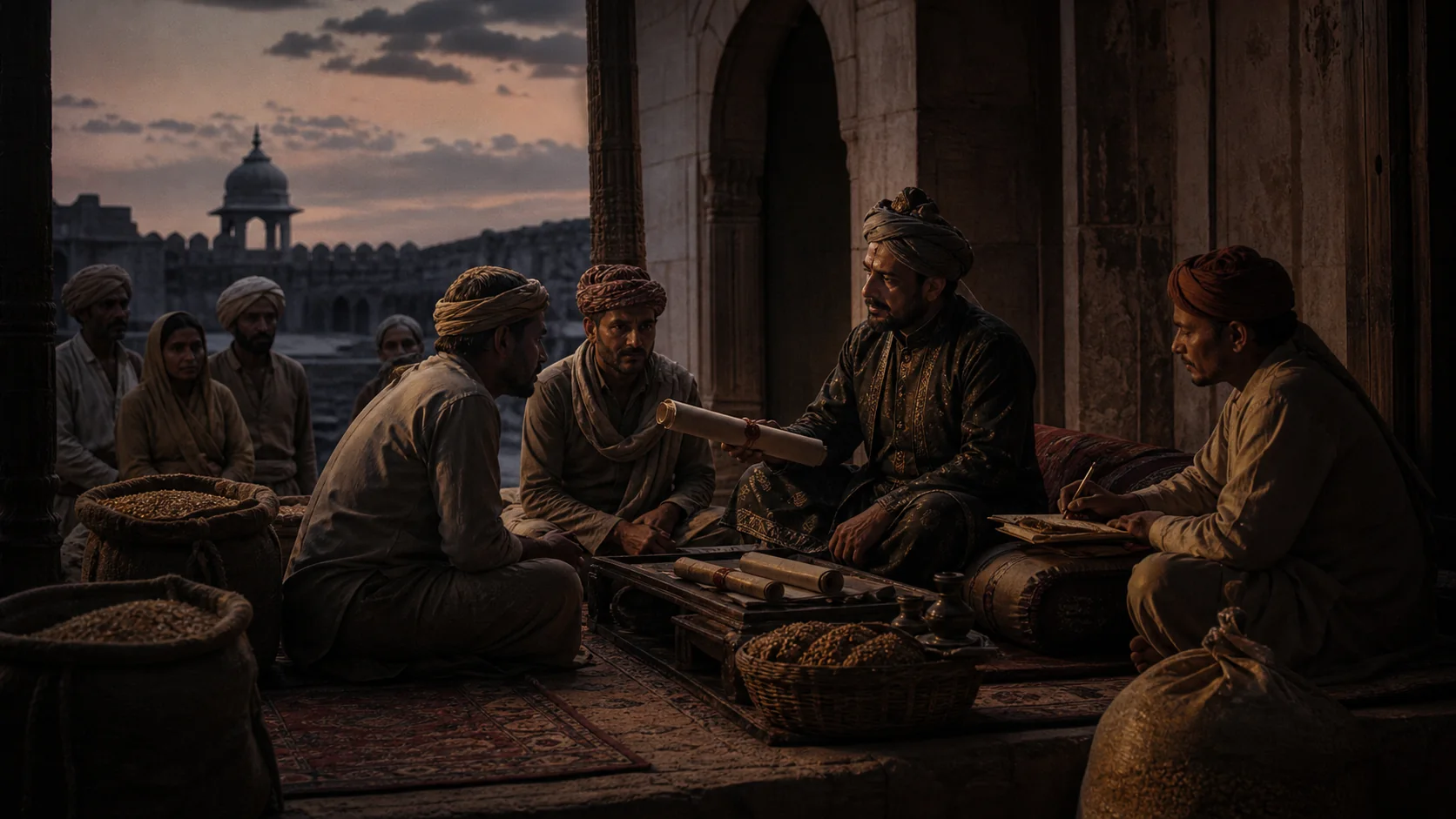
Bringing the past into the present
The question returns in the present through the way we understand identity, authority and everyday decisions. That return matters because inherited explanations continue to shape contemporary life even when their origins have been forgotten.
The essay therefore ends without forcing a convenient verdict. It leaves the reader with a more exact question: what becomes visible when evidence, contradiction and consequence are allowed to remain in the same frame?
Delhi Sultanate beyond the story of conquest
Watch the complete episode ↗
Premasis Mukherjee
The founding voice and editorial lead of BoiThek. Premasis reads a book not as the last word, but as a door into the larger questions of history, society, politics, philosophy and lived experience. These original long reads grow from his video conversations.
Books · History · Society · PhilosophyCONTINUE READING