BoiThek · History · Bengal
Bengal’s history: rivers, language and a shifting map of power
An episode-grounded reading of Bengal as a changing landscape of peoples, rivers, dynasties and language.
The question behind the episode
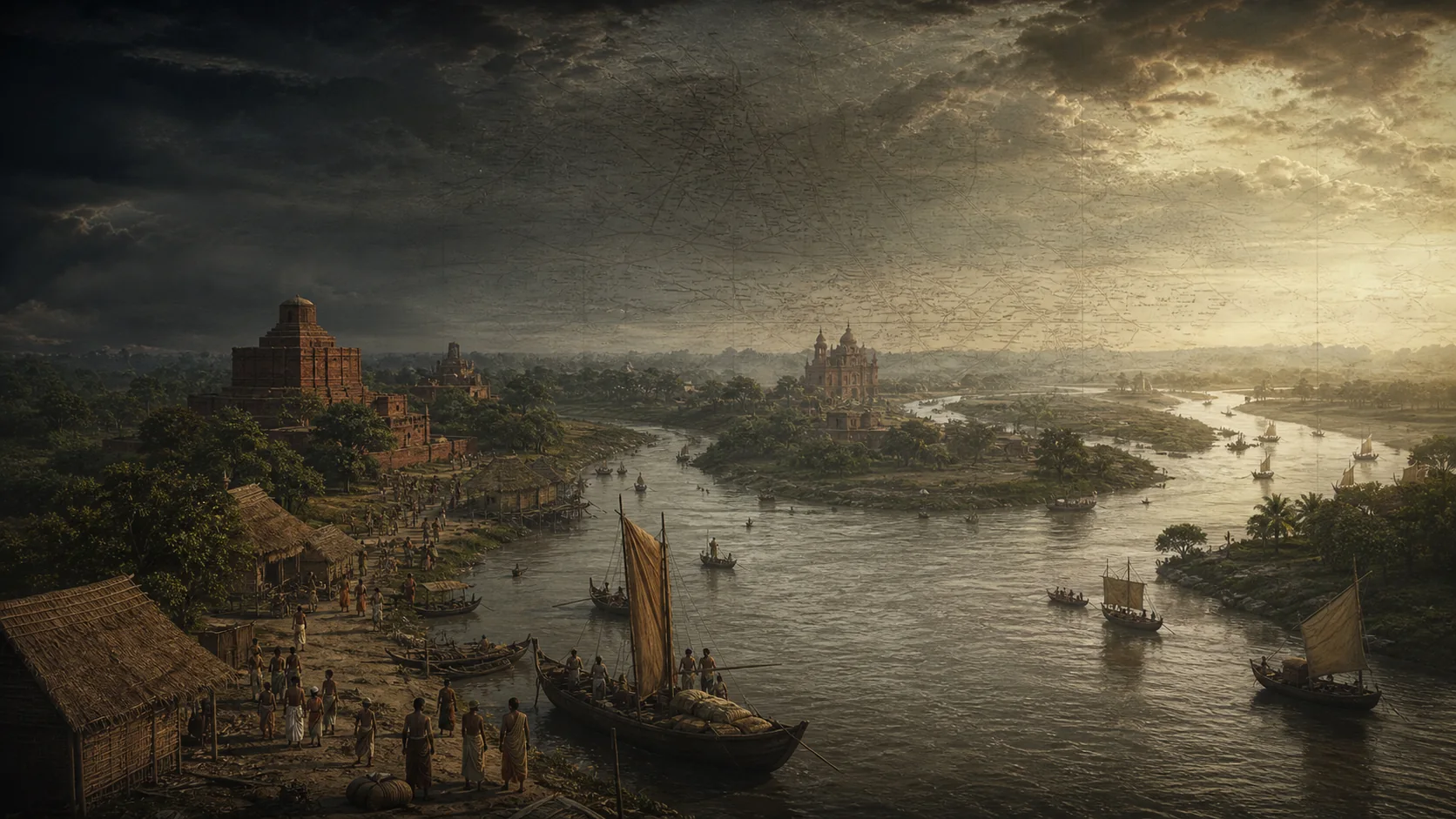
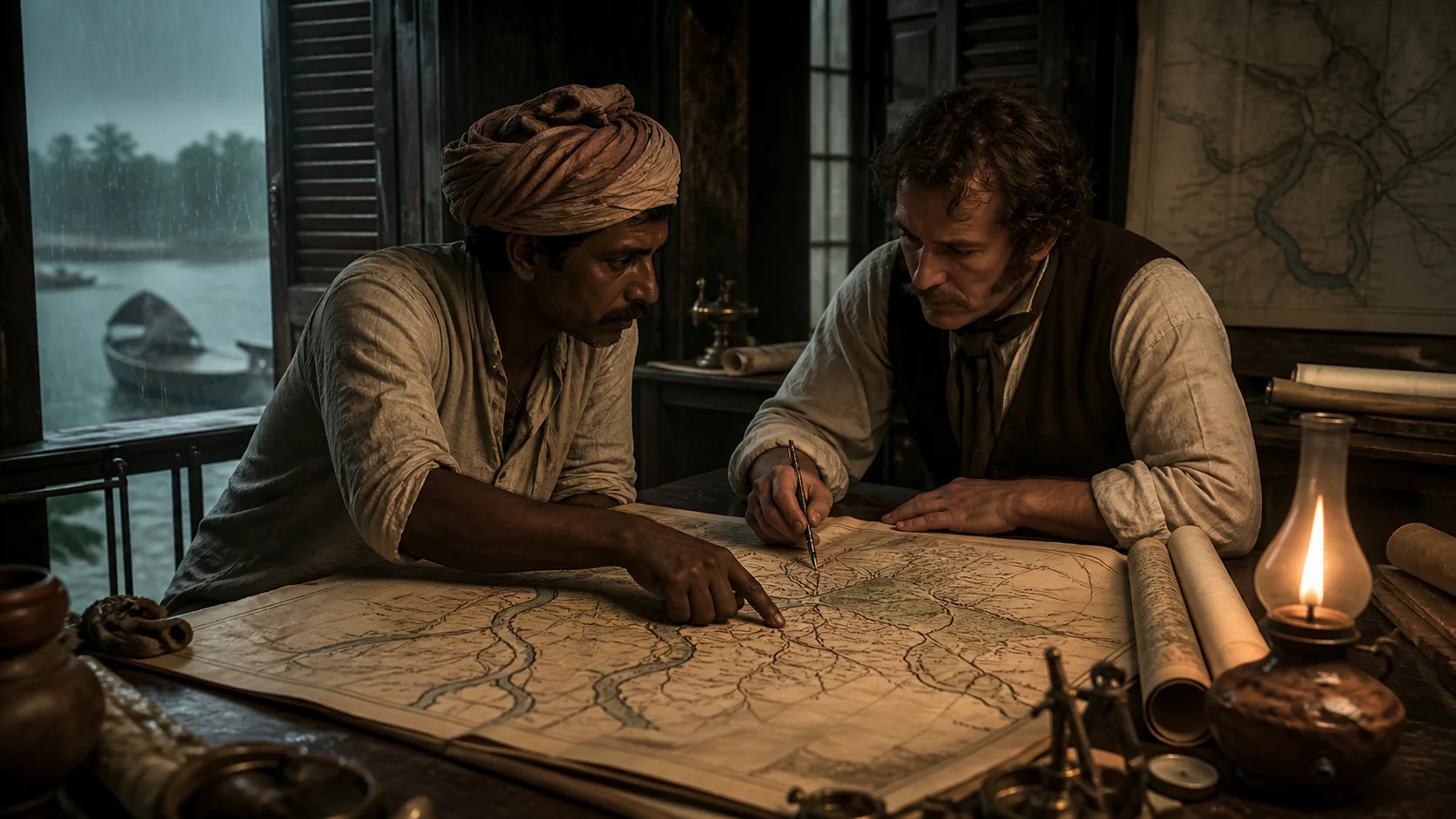
Spread a map across a table and Bengal appears deceptively simple: a network of rivers, a set of districts, a language. Yet a map is only a still image of one moment. Rivers migrate, capitals move, trade routes turn elsewhere and new communities arrive. This BoiThek episode opens history not as a list of rulers, but as a long conversation between a changing landscape and the people who inhabit it.
No sentence is presented as a detached quotation. Instead, the essay follows the conversation’s complete argument: Bengali identity did not descend from a single origin. Anthropological mixture, successive regimes including the Palas and Senas, institutions of learning and religion, and the evolution of language all shaped one another. Premasis therefore shifts the question from “who came first?” to “which relationship changed what, and at what moment?”
Three moving lines through Bengal’s history
Rivers, deltas and routes of exchange repeatedly shifted the centres of political power.
Migration, mixture and local society prevented identity from becoming a single, unbroken line.
Language created common ground while continuing to carry differences of region and class.
Context, power and the unresolved tension
In a delta, the river is both infrastructure and danger. Waterways enabled trade and military movement, while erosion and newly formed land repeatedly displaced settlements. North Bengal, Rarh, Samatata and the eastern districts did not move through history at the same pace. When the political history of one centre is allowed to stand for the whole region, life at the margins disappears. Seen at this scale, the rise and fall of dynasties becomes a redistribution of resources, waterways, agriculture and institutions of knowledge.
A community needs stories of achievement because they create dignity. But when pride hardens into claims of pure blood, exclusive civilisation or uninterrupted superiority, history closes itself to evidence. Bengal’s deeper strength lies in its repeated acts of absorption and transformation. Outside influences became local; local practices travelled into a wider world. To treat this mixedness as weakness is to reject one of the most creative forces in Bengal’s history.
Bringing the past into the present
The past is often turned into a weapon in present arguments over language and citizenship. The episode offers a more disciplined method: distinguish what archaeology can establish, what literature imagines, what courts chose to record and what popular memory retained. All four matter, but they are not the same kind of evidence. Historical honesty begins by recognising those differences.
Bengal is not a finished identity; it continues to form like a river. The useful question is therefore not “who is the real Bengali?” It is this: whose labour, language, memory and wounds must be erased before our chosen version of history can appear complete? Keeping that question open is the first condition of connected reading.
Bengal’s history: rivers, language and a shifting map of power
Watch the complete episode ↗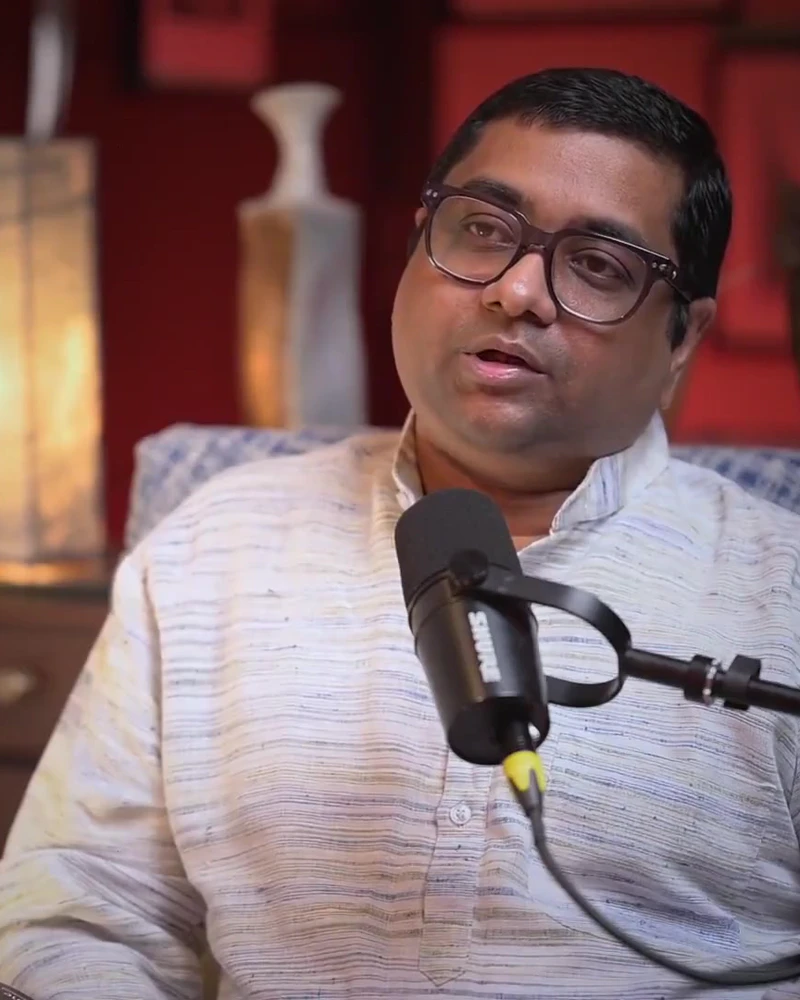
Premasis Mukherjee
The founding voice and editorial lead of BoiThek. Premasis reads a book not as the last word, but as a door into the larger questions of history, society, politics, philosophy and lived experience. These original long reads grow from his video conversations.
Books · History · Society · PhilosophyCONTINUE READING